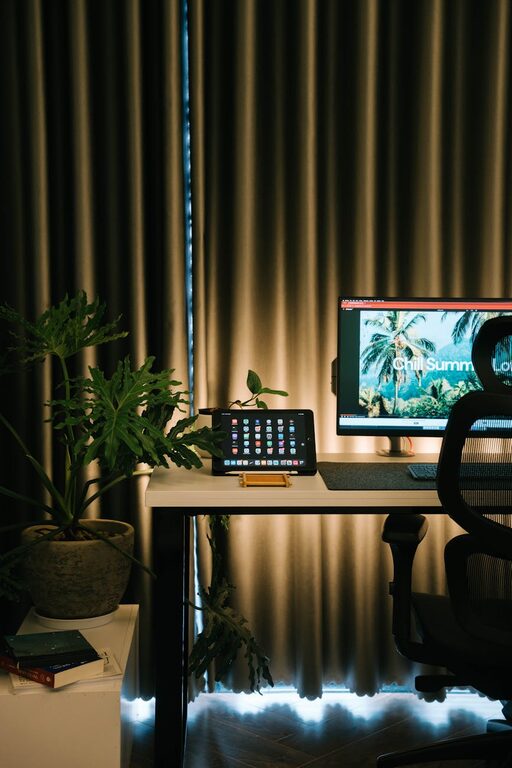
Creating a cozy and productive home office space is essential for anyone who works from home or needs a dedicated area to focus. An inviting workspace can boost motivation, reduce stress, and improve the quality of your work. Whether you have a small corner in your living room or a separate room, these tips will help you design an office that feels good and gets things done.
1. Choose the Right Location
The first step in setting up your ideal home office is picking the best spot.
– Quiet Area: Select a space away from distractions like the TV or kitchen. Quiet surroundings help concentration.
– Natural Light: If possible, position your desk near a window. Natural light improves mood and reduces eye strain.
– Ventilation: A well-ventilated area provides fresh air, which keeps you alert during long work sessions.
2. Invest in Comfortable Furniture
Comfort plays a huge role in productivity. You want furniture that supports your body and allows you to work efficiently.
– Ergonomic Chair: Choose a chair with adjustable height and lumbar support to prevent back pain.
– Functional Desk: Pick a desk that fits your space but offers enough surface area for your computer, notes, and other essentials.
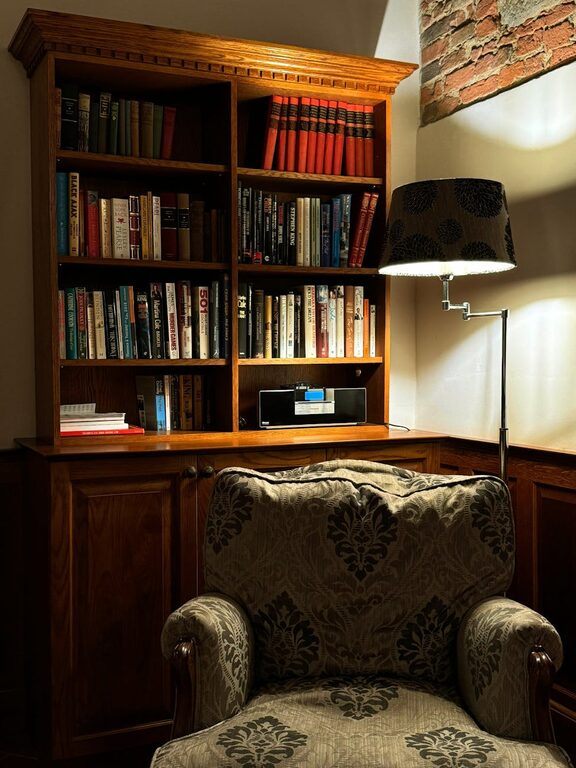
– Flexible Seating Options: Consider adding a small couch or cushioned chair for breaks or brainstorming.
3. Keep Your Space Organized
Clutter can affect your ability to focus and slow you down. An organized workspace makes for a smoother workflow.
– Storage Solutions: Use shelves, filing cabinets, or storage boxes to keep documents and supplies in order.
– Minimalist Approach: Keep only what you need on your desk to reduce distractions.
– Cord Management: Use clips or cable organizers to keep wires tidy and out of sight.
4. Personalize Your Workspace
Adding personal touches can make your office feel warm and inviting.
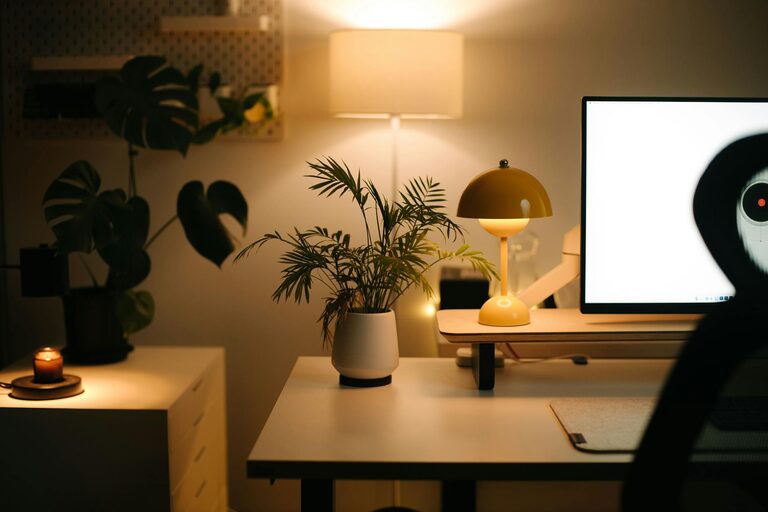
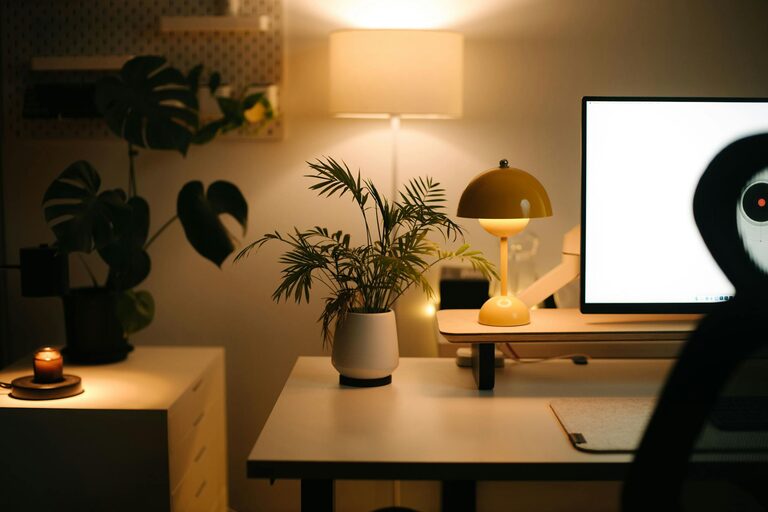
– Plants: Greenery improves air quality and adds a calming natural element.
– Artwork: Hang pictures or motivational posters that inspire you.
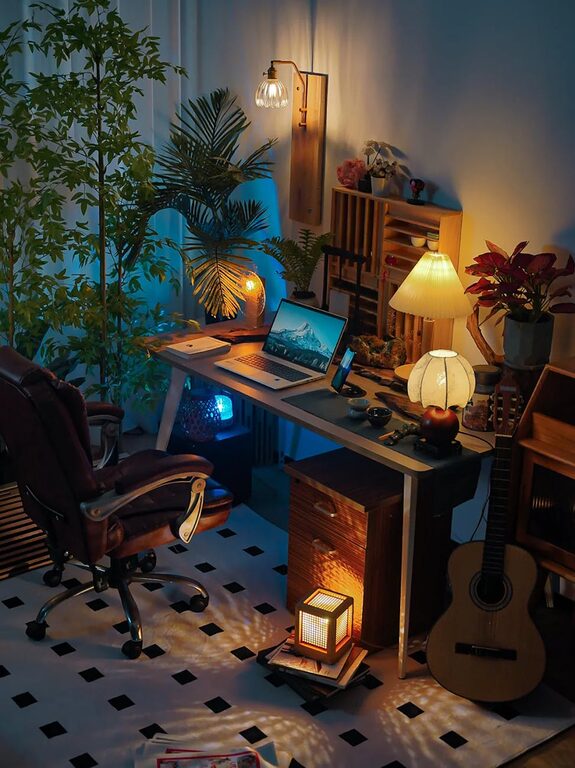
– Lighting: Use desk lamps or string lights with warm tones to create a cozy atmosphere, especially in the evenings.
5. Optimize for Productivity
Arrange your home office to help maintain focus and efficiency.
– Proper Lighting: Avoid glare on your screen by positioning your computer perpendicular to windows.
– Noise Control: Use noise-canceling headphones or background music if needed to drown out distractions.
– Daily Routine: Set clear working hours and take scheduled breaks to stay refreshed.
6. Utilize Technology Wisely
The right tools can make a big difference.
– Quality Equipment: Invest in a reliable computer, fast internet, and good peripherals like a mouse and keyboard.
– Apps and Software: Use productivity apps to keep track of tasks and deadlines.
– Backup Solutions: Regularly save your work on cloud storage or external drives to avoid data loss.
7. Maintain Good Habits
Your home office is only as effective as the habits you build.
– Regular Cleaning: Keep your space clean to maintain a pleasant environment.
– Stretching: Take moments to stretch or move around to avoid stiffness.
– Healthy Snacks and Hydration: Keep water and nutritious snacks nearby to maintain energy levels.
Final Thoughts
Designing a home office that is both cozy and productive is about balancing comfort with function. With thoughtful location choices, ergonomic furniture, organization, and personal touches, your workspace can become a place you look forward to using every day. Remember, the best office is one that suits your unique needs and preferences. Start small, experiment, and adjust your setup to create the perfect environment for success.
About the Author