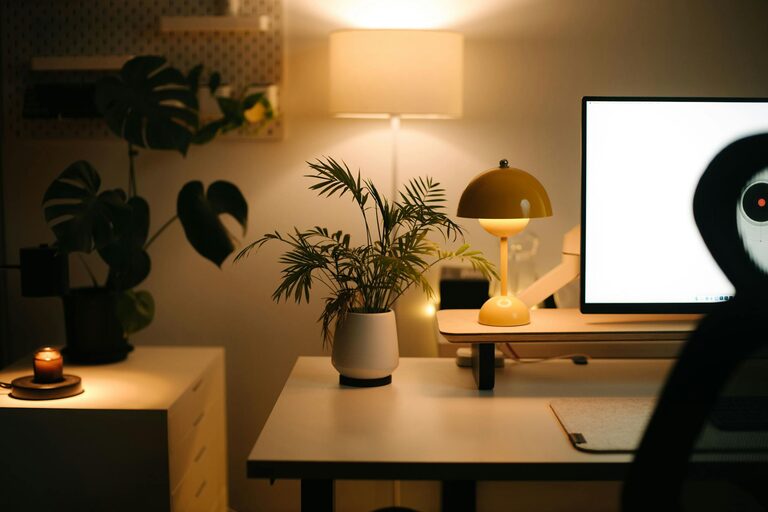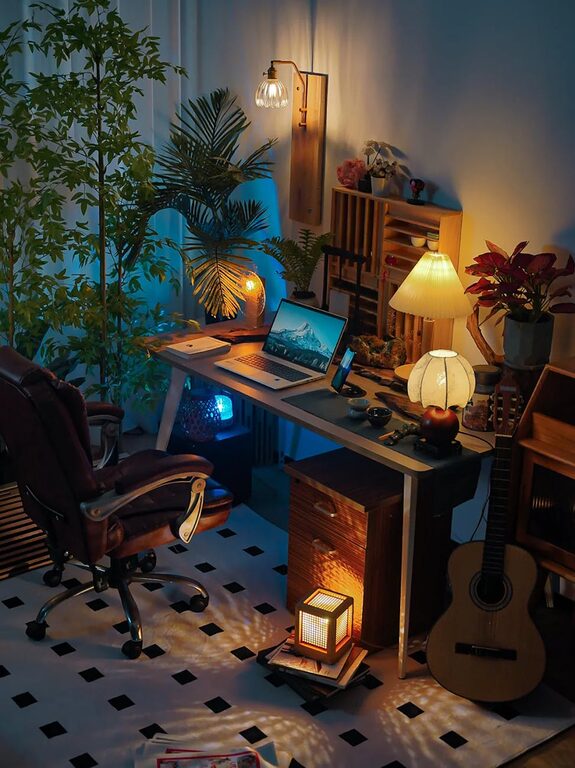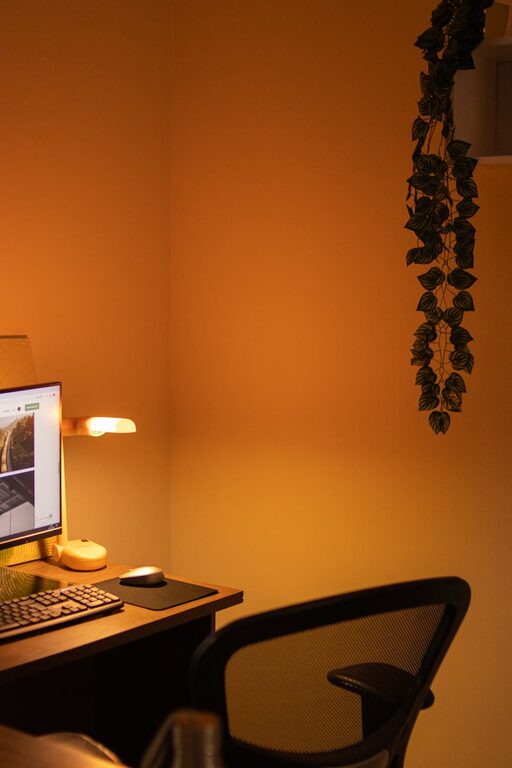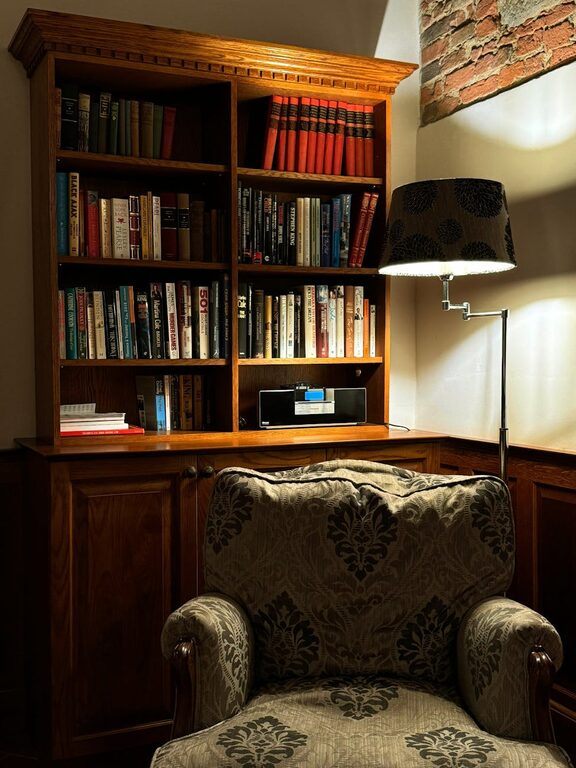
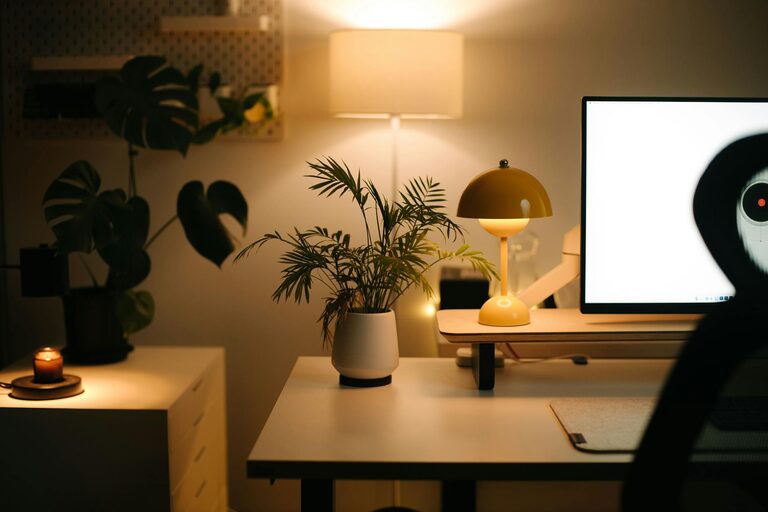
Creating a relaxing home office environment is essential for maintaining productivity and well-being, especially as more people work remotely or freelance. A workspace that feels comfortable and calming can help reduce stress, improve focus, and make working from home more enjoyable. Whether you have a dedicated room or a small corner, applying a few thoughtful tips can transform your office into a peaceful haven.
Why a Relaxing Home Office Matters
When your workspace feels cluttered or harsh, it can increase feelings of anxiety and distract you from tasks. On the other hand, a relaxing environment encourages a clear mind and steady workflow. Elements like natural light, soft colors, and ergonomic furniture contribute to comfort and wellness, which ultimately improves your work quality.
Choose the Right Location
Consider Natural Light
Whenever possible, set up your home office near a window. Natural light not only reduces eye strain but also boosts mood and alertness. Position your desk so that the sunlight comes from the side, avoiding glare directly on your screen.
Limit Noise Distractions
Find a quiet spot or use noise-cancelling headphones if you live in a busy household. Closing doors, using rugs, and adding soft furnishings can help absorb sound, creating a quieter atmosphere.
Keep Your Space Organized
Clutter can cause distraction and unnecessary stress. Adopt a regular tidying routine to keep your desk neat. Use storage solutions like shelves, drawers, and organizers to keep essential items within reach but out of sight.
Minimalism Helps
A minimalist approach to decor and supplies limits distractions and creates a clean, open feeling. Only keep what you need daily on your desk and store other items away.
Choose Soothing Colors
Color psychology shows that certain hues can calm the mind. Soft blues, greens, and neutrals are excellent choices for walls and decor. If you prefer bright colors, use them as accent pieces rather than large wall areas to maintain a peaceful vibe.
Invest in Comfortable and Ergonomic Furniture
Your body’s comfort affects how relaxed you feel throughout the day. Select an ergonomic chair that supports your lower back and promotes good posture. An adjustable desk or monitor stand can help align your screen at eye level, reducing neck and shoulder tension.
Personalize Your Space Wisely
Adding personal touches like family photos, plants, or artwork can make your office feel inviting. However, avoid over-decorating, which may cause visual clutter. Small, meaningful items work best.
Incorporate Natural Elements
Indoor plants improve air quality and bring a sense of nature inside, helping reduce stress. Choose low-maintenance plants like succulents or pothos if you’re new to plant care.
Use Lighting to Set the Mood
In addition to natural light, add layers of lighting for different tasks. A desk lamp with adjustable brightness lets you control your lighting for reading or computer work. Warm-toned bulbs create a cozy atmosphere, while cool tones help with concentration.
Manage Cables and Electronics
Messy cables can distract and detract from a tidy space. Use cable clips, sleeves, or boxes to keep cords organized and out of the way. Keep your electronics clean and dust-free for optimal performance.
Incorporate Relaxation Techniques
Keep stress relief tools nearby to help you reset when needed. This might include a stress ball, essential oil diffuser, or a small water fountain for soothing sounds. Taking short breaks with deep breathing or stretching enhances relaxation and productivity.
Maintain Good Air Quality
Fresh air is important when spending long hours indoors. If you can, open a window regularly or use an air purifier to keep the space well-ventilated. Avoid synthetic scents or harsh cleaning products that may irritate your senses.
Establish a Workspace Routine
A relaxing environment is also about mindset. Set consistent work hours and boundaries to help your brain associate your office space with focus and calm rather than distraction. End your day by tidying your desk and turning off office equipment to create a psychological break.
—
Creating a relaxing home office environment doesn’t require a complete overhaul. Start with small changes like adding plants, decluttering, or improving lighting. Over time, these improvements can have a big impact on your comfort and efficiency while working from home. Remember, your workspace should support both your productivity and your well-being.
About the Author