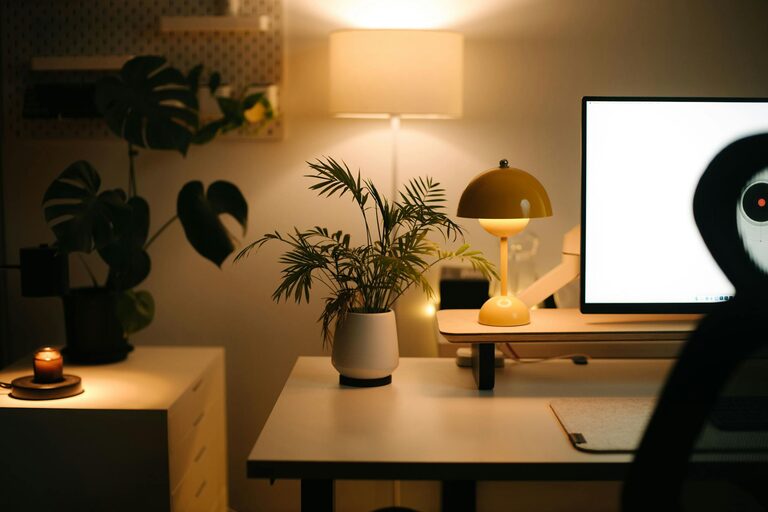
Setting up a home office that feels both comfortable and calming can make a big difference in your daily productivity and overall well-being. Whether you work remotely full-time or occasionally take work home, creating a relaxing environment helps reduce stress and keep you motivated. Here are some helpful tips to design a peaceful home office space tailored to your needs.
Choose the Right Location
Find a Quiet Spot
Pick a designated area in your home where you can work without constant interruptions. Avoid high-traffic zones like the kitchen or living room if possible. A quiet corner or spare room can be ideal.
Make the Most of Natural Light
Natural light enhances mood and alertness. Position your desk near a window if you can, but avoid glare on your computer screen by angling your setup thoughtfully.
Invest in Comfortable and Functional Furniture
Prioritize Ergonomics
Choose an ergonomic chair that supports your back and promotes good posture. Sitting comfortably helps prevent fatigue and physical strain during long work hours.
Get a Desk That Fits Your Needs
Select a desk with enough surface area for your essential items but not so large that it feels overwhelming. Adjustable desks or standing desks offer flexibility to change positions throughout the day.
Keep the Space Organized
Declutter Regularly
Clutter can increase stress and reduce focus. Keep only necessary items on your desk, and use storage solutions like shelves, bins, or drawers to keep everything tidy.
Use Organizational Tools
Tools such as cable organizers, desk trays, and file holders help manage supplies and paperwork efficiently, preventing chaos in your workspace.
Add Calming Elements
Use Soothing Colors
Colors can impact your mood. Soft, neutral colors like light blues, greens, or beige can create a tranquil atmosphere. Avoid overly bright or harsh hues that may cause agitation.
Incorporate Plants
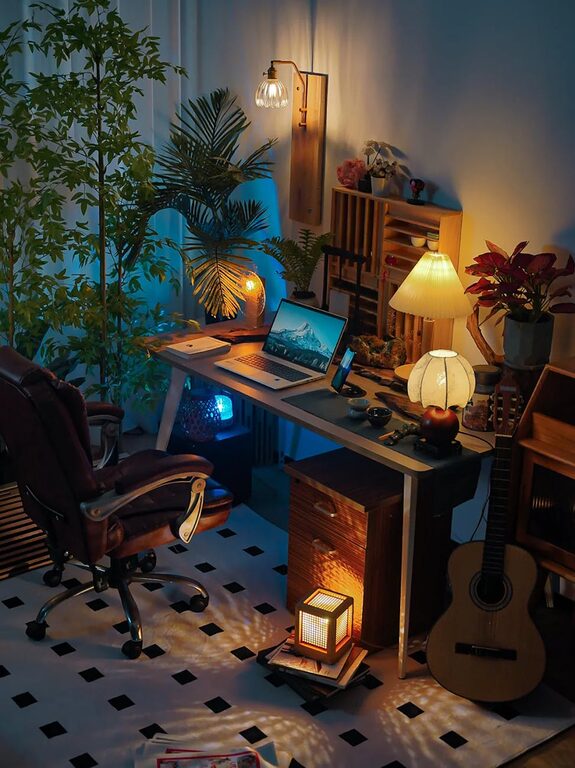
Indoor plants not only enhance air quality but also bring a sense of calm and nature indoors. Consider easy-to-care-for plants like succulents, snake plants, or pothos.
Include Personal Touches
Add a few personal items such as photos, artwork, or small decorations that make you feel happy without causing distraction.
Manage Noise Levels
Use Noise-canceling Headphones
If you are in a noisy environment, noise-canceling headphones can help you concentrate by blocking out distractions.
Play Soft Background Music
Gentle music or ambient sounds like rainfall or white noise can create a soothing backdrop, helping you focus better.
Optimize Lighting
Choose Warm, Adjustable Lighting
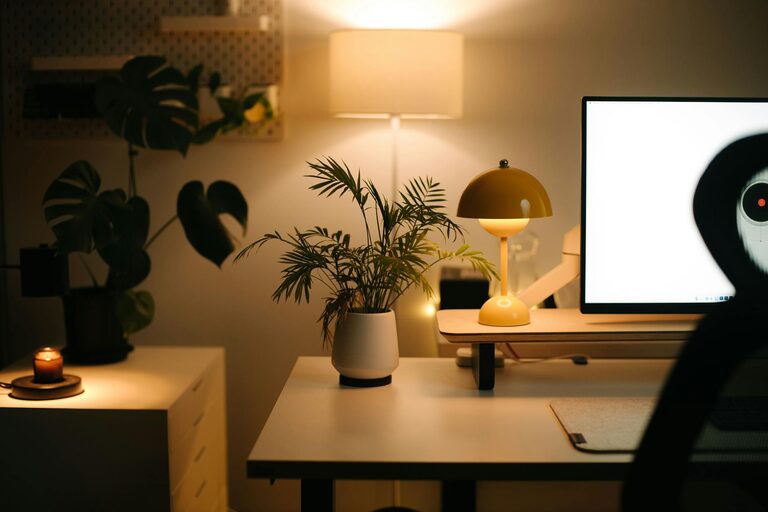
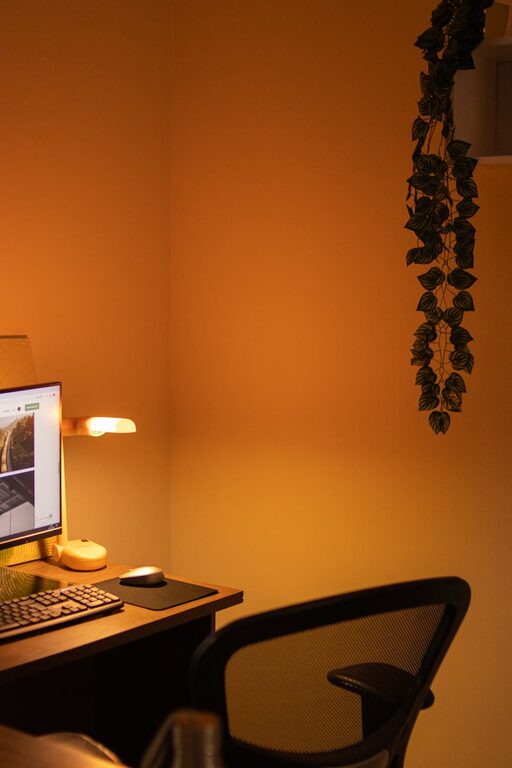
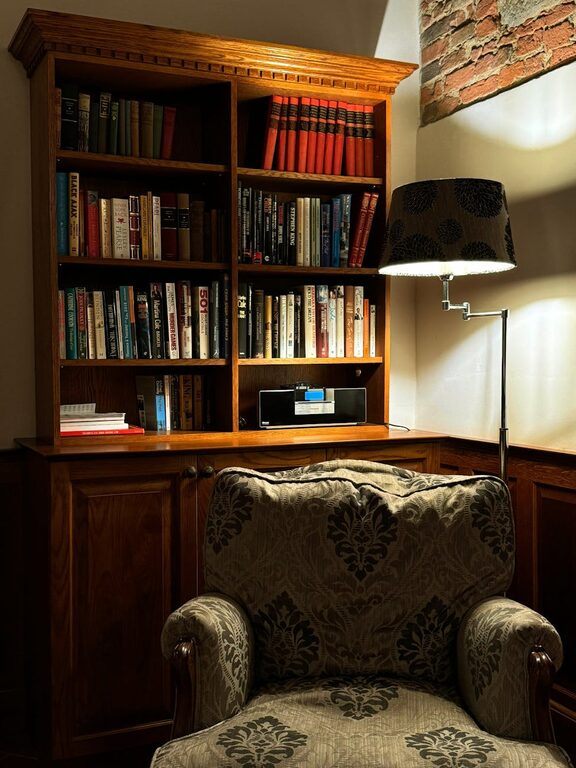
In addition to natural light, use adjustable lamps with warm bulbs to reduce eye strain and create a comfortable ambience.
Avoid Harsh Fluorescent Lighting
Harsh overhead lights can cause headaches and fatigue, so opt for softer options or lamps with dimmers.
Establish Boundaries and Routine
Set Clear Work Hours
Define your working hours and communicate them to household members to minimize interruptions.
Take Regular Breaks
Stepping away from your desk briefly every hour helps recharge your mind. Use breaks to stretch, hydrate, or simply relax.
Keep Technology Organized and Minimal
Declutter Your Digital Space
A cluttered desktop or too many open tabs can overwhelm. Organize your computer files and close unnecessary programs.
Manage Cables Efficiently
Use cable clips or sleeves to keep cords out of sight and prevent tangling.
Maintain Temperature and Air Quality
Keep the Room Well-Ventilated
Good airflow improves concentration and comfort.
Adjust Temperature for Comfort
Make sure the room is not too hot or cold; a comfortable temperature helps maintain focus.
Use Aromatherapy
Introduce Pleasant Scents
Subtle scents from essential oils like lavender, eucalyptus, or citrus can help relax your mind and enhance focus.
Avoid Overpowering Fragrances
Use diffusers with gentle scents to avoid headaches or allergic reactions.
—
Creating a relaxing home office environment takes some effort and thought, but the rewards are well worth it. By paying attention to location, comfort, organization, lighting, and atmosphere, you can design a space that supports productivity and reduces stress. Start small, and gradually personalize your workspace until it feels just right for you. Happy decorating!
About the Author