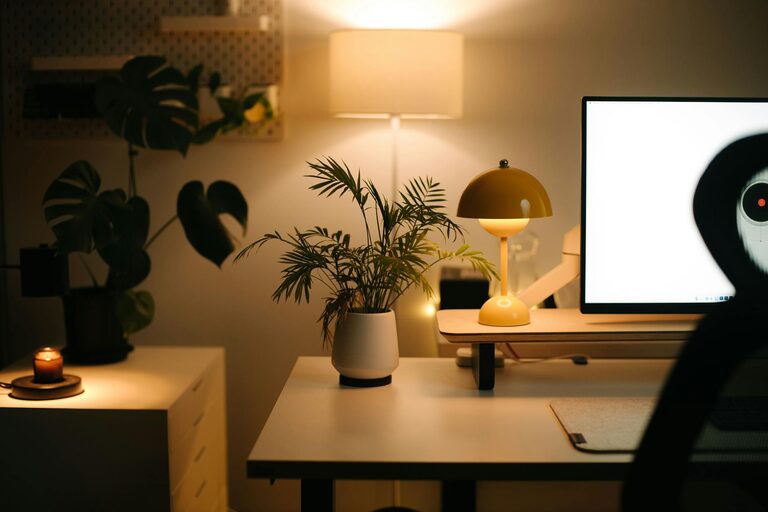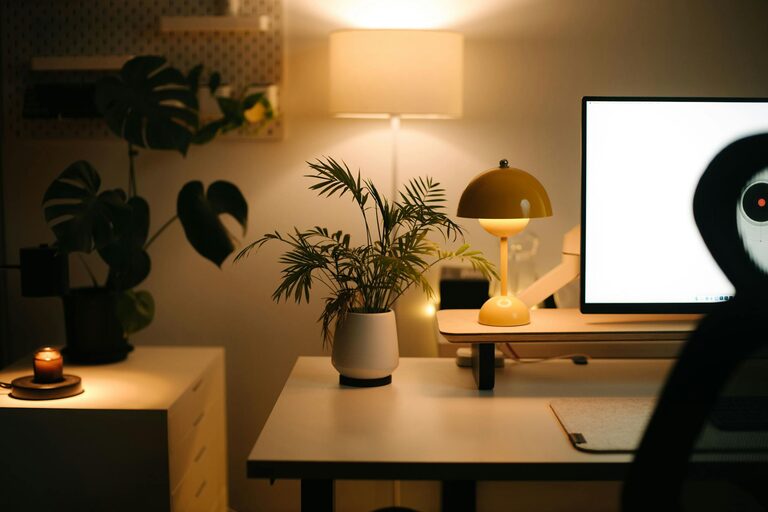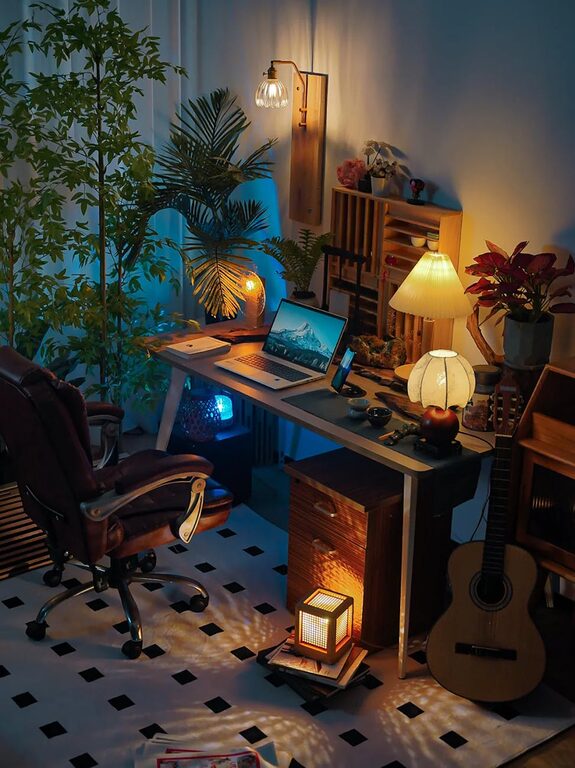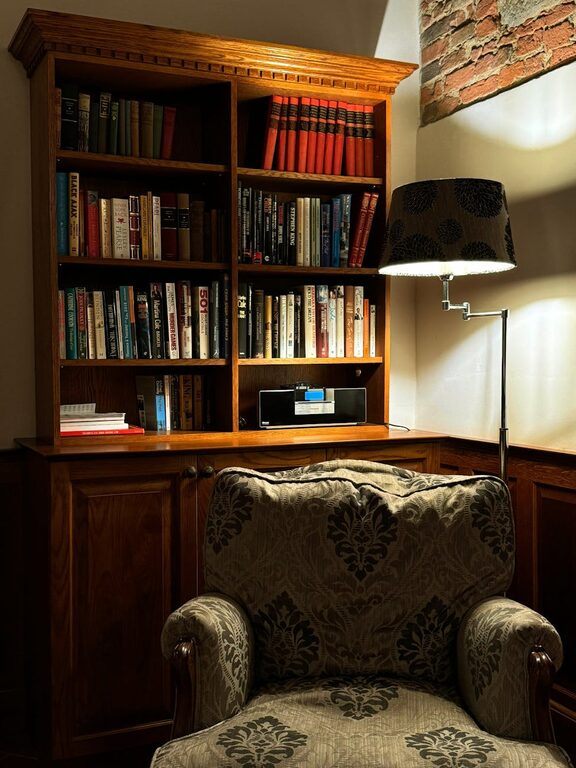
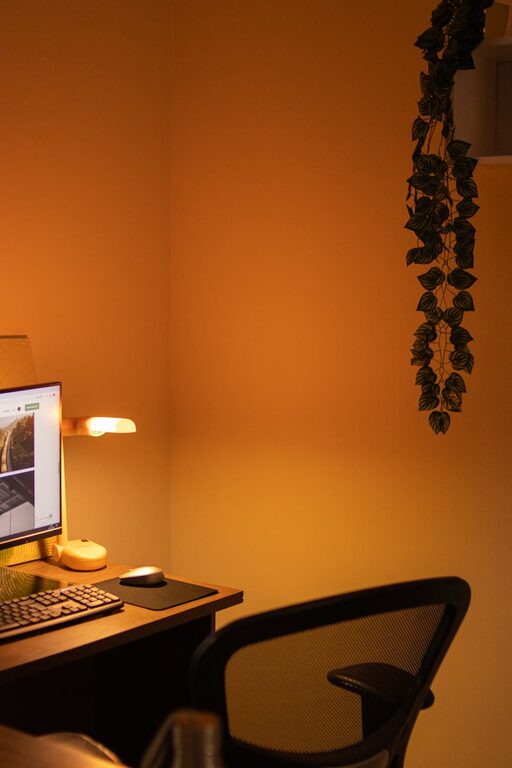
Creating a cozy and inviting home office is essential for anyone working remotely or spending a significant amount of time at their desk. A well-designed workspace not only fosters productivity but also makes work feel less like a chore. Whether you have a dedicated room or a corner of your living space, these tips will help you design a home office that you’ll enjoy spending time in.
Why a Cozy Home Office Matters
When your home office feels comfortable and welcoming, you’re more likely to stay motivated and focused. A space that supports your work habits and suits your style can reduce stress and increase your creativity. Here’s how you can achieve that perfect balance of function and comfort.
Choose the Right Location
Finding the ideal spot for your home office is the first step. Here are some things to consider:
– Natural Light: Position your desk near a window to make the most of daylight. Natural light improves mood and reduces eye strain.
– Quiet Environment: Choose a space away from high-traffic or noisy areas to maintain concentration.
– Space for Essentials: Make sure there is enough room for your desk, chair, and any equipment you need.
Select Comfortable and Supportive Furniture
Your comfort during work hours depends heavily on your furniture choices:
– Ergonomic Chair: Invest in a chair that supports good posture and is adjustable to your height.
– Desk Height: Pick a desk that fits your working style whether you prefer sitting or standing.
– Storage Solutions: Use shelves, filing cabinets, or baskets to keep your office tidy and essentials within reach.
Personalize Your Space
Adding personal touches makes your office feel welcoming. Consider the following:
– Color Palette: Use calming colors like soft blues or greens to create a peaceful atmosphere.
– Artwork and Photos: Hang inspiring art or family photos to make the space uniquely yours.
– Plants: Incorporate greenery to improve air quality and add a touch of nature.
Optimize Lighting
Good lighting is critical for productivity and comfort:
– Layered Lighting: Use a combination of overhead lights, desk lamps, and natural light.
– Adjustable Lamps: A lamp with adjustable brightness and direction helps reduce glare.
– Avoid Screen Glare: Position screens to avoid direct light reflecting on your monitor.
Keep Clutter at Bay
A clutter-free workspace helps keep your mind clear:
– Regular Decluttering: Set aside time weekly to organize papers and supplies.
– Cable Management: Use clips or sleeves to keep cords tidy and out of sight.
– Minimalist Approach: Keep only the items you use daily on your desk.
Add Comfort Features
Small touches can make your office more inviting:
– Cozy Textiles: Add a soft rug, throw blanket, or comfortable cushions.
– Scent: Use candles or diffusers with relaxing scents like lavender or eucalyptus.
– Sound: Consider a white noise machine or soft background music to help concentration.
Incorporate Technology Wisely
Technology should support your workflow without adding stress:
– Quality Equipment: Use reliable, user-friendly devices to minimize frustration.
– Cable Organization: Manage your cords efficiently to avoid mess.
– Smart Accessories: Look for gadgets like wireless chargers or Bluetooth speakers that complement your style and needs.
Create Zones for Different Tasks
If space allows, designate different areas for varied work activities:
– Focus Zone: A quiet spot for intensive work.
– Creative Zone: A bright area where you can brainstorm or collaborate.
– Break Zone: A small, comfortable space for short breaks to refresh your mind.
Maintain a Healthy Routine
Your office setup can encourage good habits:
– Regular Breaks: Use timers or apps to remind you to stand, stretch, or walk around.
– Movement: Keep your setup flexible so you can occasionally stand or change posture.
– Hydration: Keep a water bottle handy to stay hydrated.
Final Thoughts
Designing a cozy and inviting home office doesn’t have to be complicated or expensive. With thoughtful furniture choices, personalized decor, and an emphasis on comfort and organization, you can create a space that supports your productivity and well-being. The key is to tailor your environment to suit your needs and preferences, making workdays more pleasant and efficient. Give yourself permission to create a space that feels good, and you’ll likely notice the positive impact on your day-to-day work life.
About the Author